How Did Slot Machines Go from Heavy Cabinets to Something in Your Pocket?
Slot machines—those iconic sources of clinking coins, flashing lights, and spinning reels—have undergone a remarkable transformation over the last century. What started as bulky, mechanical cabinets in smoky casino floors has now become something almost everyone carries in their pocket: smartphone slots and browser games playable on mobile hardware. This evolution wasn’t overnight. It’s a story of automation, clever design, electronic innovation, and the digital shift, all wrapped around a few recognizable symbols that have stood the test of time.
The Roots: Heavy Cabinets with Mechanical Magic
Slot machines began as fully mechanical devices designed to automate gambling with minimal human intervention. Early models were massive, iron-heavy cabinets containing complex arrangements of gears, levers, and springs.
Automation via Coin Mechanisms
One of the key milestones was the integration of coin mechanisms, which allowed players to insert coins and activate the game without needing a dealer to pay out wagers manually. This automation was more than convenience—it changed the entire economics and accessibility of gambling.
- How it worked: Insert a coin, pull the lever, and the reels spin.
- The payout system was mechanical—winning combinations would release coins from the hopper automatically.
- This drastically reduced labor costs for casinos and standardised the player experience.
This reminds me of something that happened thought they could save money but ended up paying more.. These machines were bulky because all parts had to be physical and robust. The coin mechanism alone was a marvel of springs and pins, designed to detect the right coin size and authenticate it against counterfeit tokens as best as possible.
Readable Outcomes and the Three-Reel Template
From the beginning, one challenge was making the game outcomes clear and readable. Three reels spinning inside a glass window became standard. Why three? Because it balanced simplicity, excitement, and payout odds.
- Three reels allowed for a manageable number of combinations.
- They provided sufficient suspense—once the reels stopped, players could immediately see if they’d hit the jackpot.
- The visual format helped set expectations clearly without complex instructions.
This three-reel format became a template replicated by almost every manufacturer for decades. It shaped the “slot machine language,” making it instantly recognizable even to casual players. The spinning reels’ visible motion added drama while also reassuring fairness—players literally saw the results.
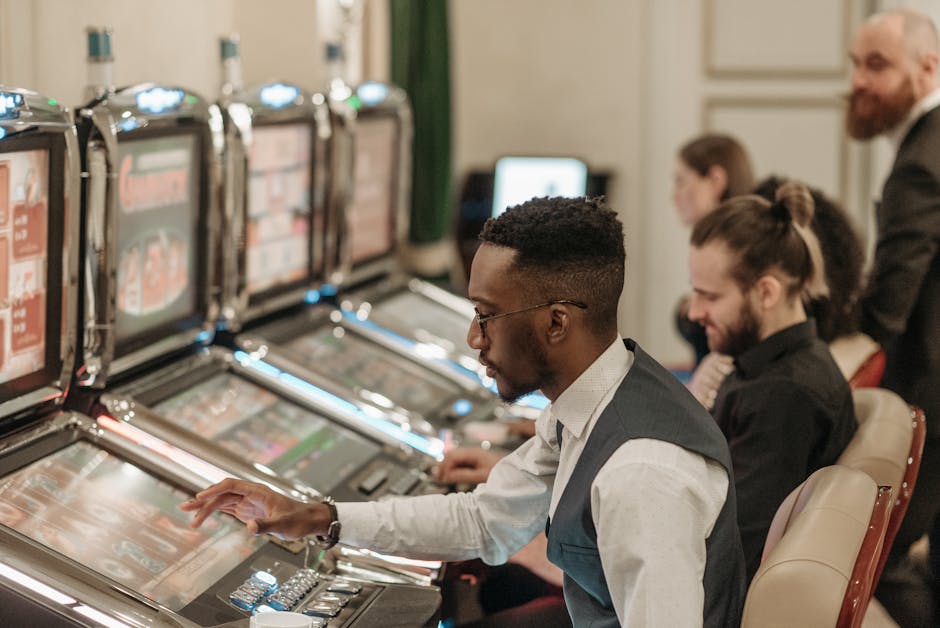
The Iconography: Fruit and BAR Symbols
Coinciding with the readable layout was the development of easily recognizable symbols. Fruit icons (cherries, lemons, plums) and BAR symbols became the lingua franca of slot machines quite early and have remained surprisingly consistent.
- Why fruit? Many early slot machines rewarded non-monetary prizes or gum, so fruit images referenced gum flavors.
- The BAR symbol traces back to the Bell-Fruit Gum Company’s logo, bridging branding and gameplay.
- These symbols’ simplicity helped maintain legibility amid the mechanical and later electromechanical chaos inside the cabinet.
Despite the many design changes on the outside, these icons continue to appear in modern digital slots, offering a nostalgic touchpoint tying new games to old traditions.
The Electromechanical Transition: Bigger Payouts and More Features
A major turning point came mid-20th century with the introduction of electromechanical technology. Instead of purely mechanical components, slot machines began to incorporate electrical parts such as solenoids, buzzers, and lights.
- This allowed for more varied gameplay features, like multiple paylines and bonus rounds.
- Electromechanical systems supported bigger payouts and easier maintenance without sacrificing reliability.
- Cabinets became slightly less heavy internally but often larger externally to accommodate new features and decorative lighting.
More interestingly, this transition introduced sounds and flashing lights that are now an inseparable part of the slot experience—still echoing in today’s digital designs. The clang of coins dropping might have faded in many venues but gave way to sophisticated soundtracks and visual effects.
From Mechanical Marvels to Digital Screens: The Rise of Smartphone Slots
With the advent of the internet and powerful mobile hardware, slots have taken their most radical turn yet—from physical machines to intangible software.
Browser Games and Mobile Hardware
Today's slot machines often live inside your smartphone browser or a dedicated app, running on chips thousands of times more powerful than what powered the electromechanical giants. This has redefined slot gaming in several ways:

- Accessibility: No need to visit a casino floor—anyone with a smartphone can play anywhere.
- Design Freedom: No mechanical constraints mean an explosion of themes, paylines, and bonus mechanics.
- Transparent Outcomes: Random Number Generators (RNGs) programmed into software replace spinning reels but imitate their look to maintain familiarity.
- Social and Interactive Features: Multiplayer slots, achievements, and social sharing have become major draws.
Mobile hardware advancements—from improved graphics processors to high-resolution screens and touch controls—enable slot games to offer immersive experiences unthinkable in the mechanical era. The once-staple lever has given way to a simple tap or swipe, yet the thrill of a potential jackpot remains.
What Changed and What Stayed the Same
Feature Mechanical Era Digital/Mobile Era Machine Type Heavy physical cabinet with coin and lever Software app or browser game on smartphone or PC Outcome Determination Mechanical reels and physical coin payouts Software RNG, digital credits and virtual tokens Symbols Fruit, BAR, and classic iconography Both classic and wildly themed modern symbols Player Interaction Physical lever pull and coin insert Touchscreen taps and swipes Payouts Limited by hopper coins, moderate jackpots Potentially unlimited jackpots and digital payoutsNotice how despite radical hardware https://xn--toponlinecsino-uub.com/can-you-explain-paylines-in-plain-english/ shifts, core elements like the three-reel layout, recognizable symbols, and straightforward outcomes have remained central. That continuity is a testament to the effectiveness of the original design principles.
Wrapping It Up: From Clinking Coins to Pocket Play
The journey from mechanical slot machines to the smartphone https://casinocrowd.com/the-7-big-inventions-behind-modern-slot-games/ slots we casually tap today encapsulates broader technological and cultural shifts. What was once purely mechanical has embraced electricity, then electronics, and finally the digital age. Today’s slots are more accessible, diverse, and feature-rich than any previous generation, yet maintain a familiar user interface built on over a century of evolution.
For slot aficionados or curious newcomers, understanding this history enriches the experience. The next time you play a browser game or spin reels on mobile hardware, you can appreciate that under the glossy graphics lies the legacy of clunky coin mechanisms, flashing electromechanical lights, and the simple joy of a spinning set of fruit symbols.