Cascading Wins Are Fun but I Lose Track of What Triggered Them
Online slots have evolved tremendously over the years, moving far beyond spinning reels and simple paylines. Among the most engaging innovations is the cascading wins mechanic, a feature that replaces disappearing symbols with fresh ones dropping into place, potentially spawning subsequent wins in a thrilling chain reaction. While it's undeniably fun and adds an extra layer of excitement, cascading wins sometimes leave me — and surely many players — struggling to follow exactly what triggered each consecutive win. As an editorial writer who’s reviewed hundreds of slots and interviewed numerous UX designers and studios like Mr Q, Game Developer, and DotGG, I want to peel back the layers behind cascading wins and explore how clear visual hierarchy, effective attention direction, and thoughtful design choices can make or break this mechanic’s success.
The First Impression: Theme as Expectation Setter
Your first encounter with a new slot is often a fleeting moment shaped by theme and visual design. Thematic titles, artwork style, and UI layout combine to create a mood and expectations about the pace and complexity of gameplay. When it comes to cascading wins, theme plays an even more critical role than many realize.
For instance, a slot featuring a treasure hunt theme might use chests, gems, and scrolls seamlessly as visual metaphors that explain and justify cascading mechanics. Rewards appear as unlocking treasure chests or collecting sparkling jewels, helping players understand why symbols vanish and new ones tumble down — it’s “logical” within the world of the game. On the other hand, a space exploration or rocket-themed slot might use boosters or explosions that fit naturally into cascading imagery.
Developers at Mr Q shared how thematic logic influences their feature design: when the cascade feels narratively meaningful, players rarely complain about tracking triggers. Instead, they focus on the excitement and flow. This also means that theme is not just decoration; it is the foundation that sets expectations around dynamics and pacing.
Pace Signals Through Color, Typography, and Animation
Thanks to the Mechanics, Dynamics, and Aesthetics (MDA) framework, we understand that mechanics (rules and components) produce dynamics (play behaviors and system response), which create aesthetics (emotional response). However, dynamics can feel confusing if the pace signals conveyed by visual and UX design are inconsistent or overwhelming. Cascading wins often accelerate the pace, stacking wins rapidly and sometimes spawning too many animations and flashes at once.
- Color: Using color strategically can create visual hierarchy and reduce cognitive overload. Bright, saturated colors might highlight active cascades, while quieter mid-tones signal “standby” states.
- Typography: Clear, readable fonts that indicate multipliers or win amounts leverage spacing and sizing to direct attention subtly without shouting distractingly.
- Animation: Animations work best when they’re smooth, purposeful, and appropriately paced. Too many flashes and overlapping effects contribute to confusion. I keep a running list of "too many flashes at once" offenders — these are games where cascades feel frenetic and the player cannot track what each win came from.
For example, a DotGG title I recently tested utilizes deliberate pauses between cascades and minimalist particle animations that frame the symbols instead of obscuring them. This design choice lets my eyes trace which symbols disappeared, which cascaded down, and what triggered the next win without needing to mute the sound to regain clarity.
Same Mechanics, Different Worlds: Paylines, Clusters, Megaways
Cascading wins are often combined with various underlying mechanics — from traditional paylines and cluster pays to the ever-popular Megaways system. Despite sharing the same basic idea of removing winning symbols to cause new ones to drop, these mechanics create different visual and cognitive challenges.
Mechanic Visual Challenge Tracking Impact Example Paylines Linear paths highlight where wins occur Easier to trace cascades when paylines visibly mark matched symbols Classic slots with cascading reels Clusters Non-linear grouping can obscure win origins Challenging to follow which cluster burst triggered subsequent cascades Games focusing on ice or gem clusters Megaways Variable reels and changing symbols require dynamic UI to follow Difficult, but clever UI like counters and cascades summaries help Popular titles with thousands of ways to winThe takeaway is that no mechanical innovation on its own solves the clarity problem. Implementations need to leverage visual hierarchy and attention direction intentionally, focusing on which symbols matter, when, and why.
Thematic Logic That Explains Features
When features fit the theme logically, players are more willing to invest time learning the “why” behind cascades. Take chests, rockets, or collection-inspired elements for example:
- Chests: If a cascade is framed as the opening of a chest that spills symbols or rewards, it creates an intuitive understanding of why symbols vanish and are replaced.
- Rockets: Rocket launches tied to cascades can signal upward or outward movement of symbols, making the flow easier to anticipate.
- Collection: Cascades that “collect” symbols or fill meters fit neatly into progression narratives, thus minimizing disconnect and confusion.
Game studios from Game Developer often emphasize that thematic logic reduces the cognitive load on players. Players no longer need a paragraph-long rule explanation more info to understand cascades — the visuals and UI communicate mechanics within the framework of the story and design.
Visual Hierarchy and Attention Direction: Pillars of Clarity
At the heart of the cascading win puzzle is a well-executed visual hierarchy. This principle ensures players’ eyes are guided intuitively from one relevant symbol or action to the next without being overwhelmed.
- Layering and Spacing: Appropriate spacing around active symbols prevents clutter. Overlapping cascades, especially with multiple animated layers, often cause players to miss vital cues.
- Signal Contrast: Using contrast in brightness, saturation, or motion helps highlight what matters. Winner symbols might glow gently before fading out, or a subtle pulse guides attention over repeated flashy bursts.
- Progressive Complexity: Games gradually reveal and layer effects rather than deploy all animations in one quick burst. This pacing allows players to parse information properly and stay engaged.
While reviewing slots, I always mute the audio to evaluate whether the visuals alone do the storytelling. This practice often exposes when games rely heavily on sound effects to cover up confusing visual flashes. The best designs speak clearly even in silence.
Too Many Flashes at Once: The Cognitive Overload Trap
Cascade mechanics run the risk of saturating the screen with constant flashes, explosions, and staggering multiplier popups. I’ve documented enough offenders to form a “too many flashes at once” blacklist. This overload dilutes the very excitement developers want to amplify.
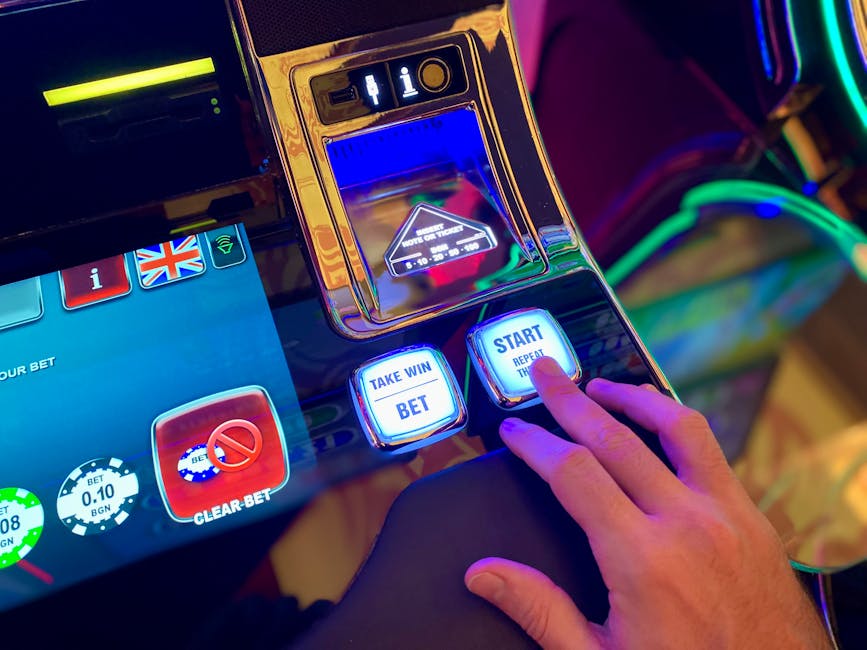
Here is my simple advice for studios and designers tackling cascading wins:
- Prioritize clarity over spectacle. Avoid simultaneous flashing of multiple cascades. Sequence animations where possible.
- Use subtle cues instead of loud bursts. Gentle glows, scaling animations, or a target glow are often more effective than bright explosions.
- Integrate pacing pauses. Small, natural pauses between cascades allow players to track progress without losing focus in a frenzy.
Mr Q and DotGG’s careful approach to cascades highlights that minimalism can create maximum player satisfaction. Players are not only better able to recognize what triggered https://xn--toponlinecsino-uub.com/retro-sweets-vs-dia-del-mariachi-megaways-which-slot-feels-faster/ each winning cascade but also enjoy the ride more deeply.
Final Thoughts
Cascading wins remain one of the most exciting and dynamic slot features available today. However, without careful attention to thematic logic, visual hierarchy, and pace signals (color, typography, animation), players may find themselves lost amidst the flashes and tumbles.
A good slot is a coherent experience where theme sets expectations, mechanics deliver engaging dynamics, and aesthetics evoke lasting pleasure — all working harmoniously to keep players informed without breaking immersion. With smart application of the MDA framework and a strong focus on attention direction, studios like Mr Q, Game Developer, and DotGG continue to push the boundaries of what cascading wins can be.
As a player and critic, I appreciate when slots respect my cognitive bandwidth and don’t rely on overwhelming sensory input to dazzle. Let’s hope future cascading slots strike the perfect balance between thrill and clarity — so I can enjoy every triggered cascade without ever losing track.